
The rise of AI resources in the workplace is nothing new, but there’s more to contend with than just AI programs.
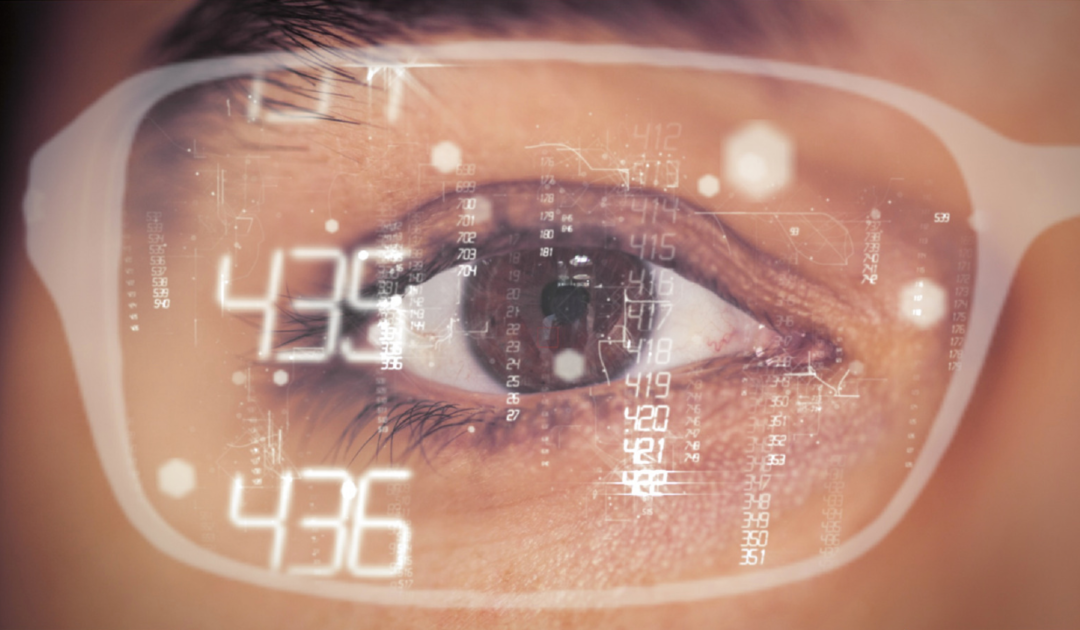
The use of Meta/Smart glasses powered by AI is now on the rise and with them comes some considerations for HR professionals and leadership.
Let’s look at some areas of concern and what you should prepare for as they become more commonplace in the workplace.
Recording
AI-powered glasses can record conversations and take photos.
This hands-free option can be helpful on jobsites, especially those that may be handling inspections, to be able to show with their hand’s repairs needed, etc. In the office they can also be a great assist for notetaking and organizing information.
The challenge with any recording device is privacy and state laws of consent. Iowa is a one-party consent state, while 11 states are two-party consent rates for recording. In addition to the law, it’s imperative that policies are put in place for how smart glasses may be used in the workplace and when recording needs to be stated to avoid legal repercussions of privacy invasion.
It’s also important to note that companies need to consider confidentiality of knowledge and security of proprietary information and make that clear for those using smart glasses during meetings and general conversations.
As with any recording device, whether a phone or smart glasses, it’s important to be upfront and transparent so as to not erode trust with peers.
Hiring Process
Smart glasses aren’t only being used for recruiting. In fact, I recently heard a story of an individual using smart glasses in an interview.
Organizations should be transparent to applicants about their use of AI in the interview process. There should also be clear communication of expectations before the interview to the applicant, including prohibiting the use of AI (such as smart glasses).
As a part of the hiring and onboarding practice, HR should train individuals, such as hiring managers and leadership, to identify and handle suspected AI use.
Safety
Smart glasses can be a great asset in an individual’s work, but they can also become a distraction and pose potential safety hazards. For those who operate heavy machinery or drive, notifications and prompts could be a big distraction.
Digital display overlays can also cause concerns if an individual is walking or driving.
In addition to the safety of the individual with the glasses, you also have to consider the safety of others in your office. Because of the recording ability, it’s easy for someone to record without another’s knowledge. It’s important to protect the privacy of all employees and this is where strict policies need to be put in place.
Many companies have banned the use of AI smart glasses and while this may be the right option for you, it could come with legal retaliation. Here’s what I recommend to keep your organization and employees safe.
-
-
- Review and Update Policies
Make sure policies clearly state ALL devices when discussing recording and use (phones, camera’s, watches, computers, and smart glasses). Decide what the boundaries are and if/when they are allowed/not allowed to be used. - Train Managers and Leadership
Your managers should know how to identify recordings and AI usage. They also need to know how to properly respond to someone who may be using it discreetly. - Medical Exceptions
Have a process outlined for accommodating the use of smart glasses. Ensure this is clearly defined and is on a case-by-case review to determine if they will be allowed or not. You may even want to consider legal counsel to ensure future challenges from employees.
- Review and Update Policies
-
Do you allow employees to use smart glasses at work? Do you have clear policies that have been communicated effectively to your employees?
MFS HR Solutions can support you in this and many other workplace strategies to ensure a safe and successful organization.
Be sure to follow MFS HR Solutions on LinkedIn.